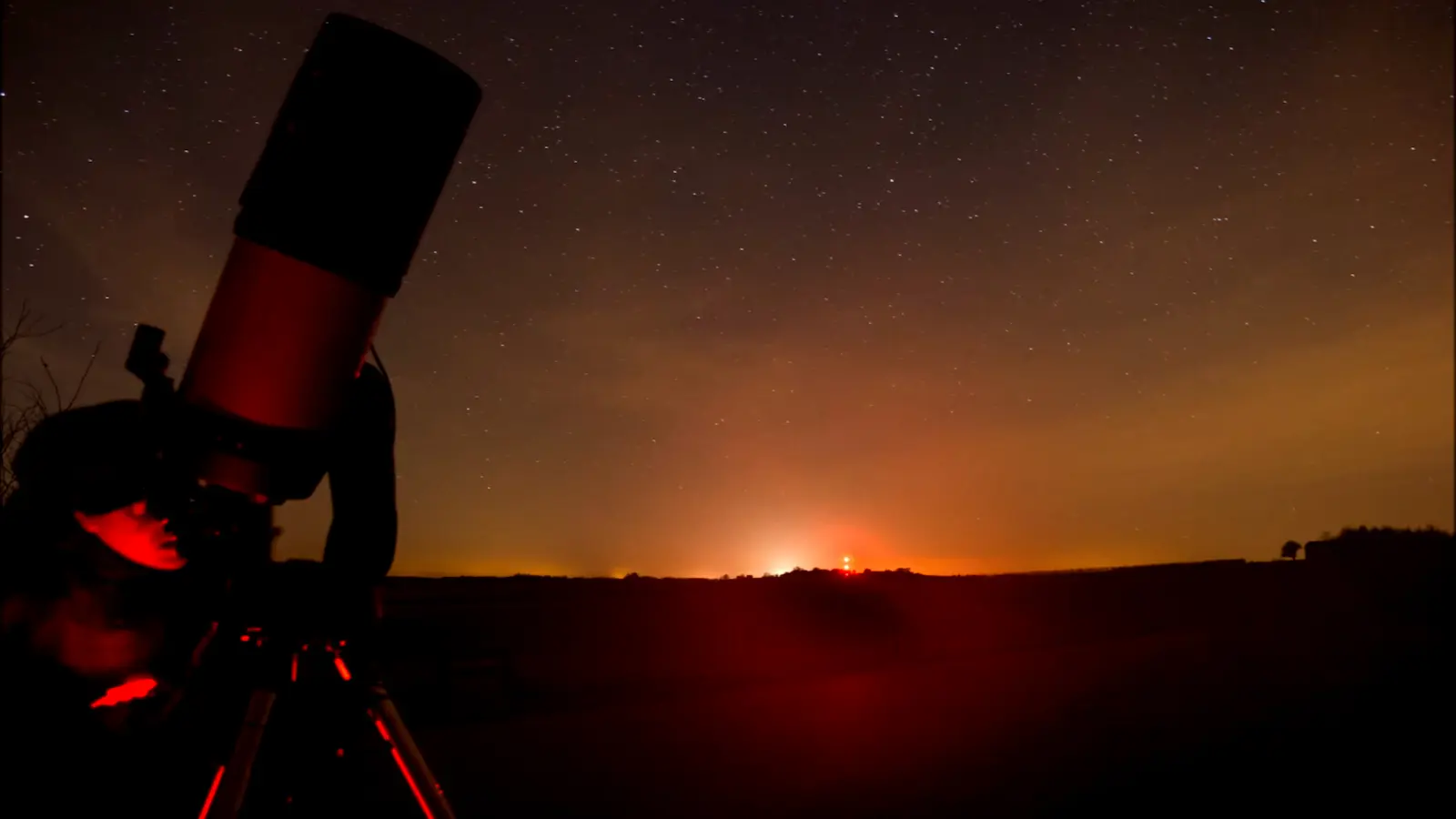
Where most of Sky Chasing begins — out in the field under the stars.
Amateur Astronomer, Astrophotographer & Developer
I’m Tej — an amateur astronomer, alignment-driven astrophotographer, and indie developer based in London. For the past fourteen years, I’ve been a member of an astronomy society associated with the Royal Observatory Greenwich, where I regularly volunteer at public outreach events for both the society and the Observatory. Sharing the night sky with people who may be seeing Saturn’s rings or the Moon’s craters for the first time is one of the most rewarding parts of what I do.
Community, Safety & The Joy of Going Together
A few years ago, I founded a small sub-group within the society for members who wanted to explore visual astronomy, astrophotography, and alignment ventures — but didn’t want to go alone. London can be unpredictable at night, and many of the best observing spots are isolated or unfamiliar. So I created the group with a simple principle: safety in numbers, and adventures shared with people you trust.
I organise most of our outings, and almost every venture is joined by at least one fellow member. We chase moonrises, planetary alignments, and dark-sky windows together — not as a formal club, but as friends who understand the value of being out under the sky with good company.
Working Under London Skies
London is bright, chaotic, and restless. Light pollution washes out the stars, the skyline is constantly changing, and the horizon is a maze of cranes, towers, and traffic. But that’s exactly what makes the alignments so special.
When the Moon threads itself between buildings, or a planet rises through the glow of the city, it feels earned. These aren’t pristine dark-sky images — they’re real, lived-in moments where the celestial and urban worlds collide. Every shot requires planning, timing, improvisation, and a willingness to stand in the cold at 5am waiting for the sky to line up with the city.
Those constraints don’t limit the work — they define it.